Vision Therapy: A Non-Surgical Solution to Improve Visual Skills in Children and Adults

Vision Therapy: A Non-Surgical Solution to Improve Visual Skills in Children and Adults

Introduction

Clear eyesight is not only about seeing letters on an eye chart. Vision also involves how well the eyes work together, focus, track objects, and communicate with the brain. When these visual skills are weak, children and adults may experience problems such as blurred vision, headaches, difficulty reading, or poor concentration.

Vision therapy is a personalized program designed to train the eyes and brain to work together more effectively. Through specialized exercises and advanced visual activities, vision therapy can help improve visual performance, coordination, and overall visual comfort.

At Myosavers, vision therapy programs are carefully designed to help children and adults strengthen their visual skills and improve daily activities such as reading, studying, sports, and screen work.

What is Vision Therapy?

Vision therapy is a structured treatment program that uses guided eye exercises and visual activities to improve how the eyes and brain work together. The therapy is usually supervised by eye care professionals and may include both in-clinic sessions and home-based exercises over several weeks or months.

The goal of vision therapy is not just to improve eyesight but to enhance binocular vision, eye coordination, focusing ability, and visual processing skills.
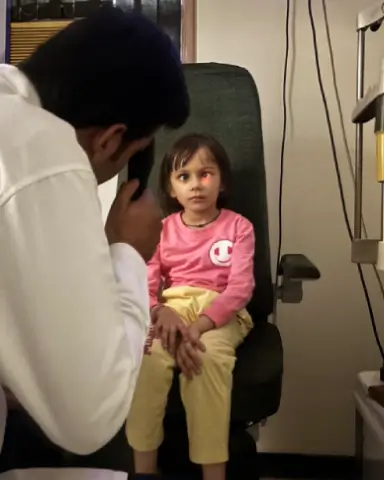
What is Vision Therapy?

How Vision Therapy Works

Vision therapy focuses on strengthening the communication between the eyes and the brain. Each program is customized according to the patient’s specific visual condition.

The therapy may include:
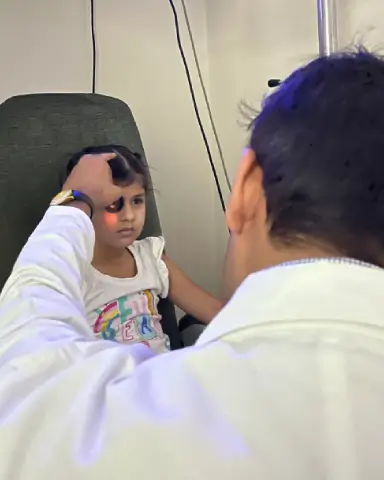
  • Eye tracking exercises
  • Focusing activities
  • Eye coordination training
  • Depth perception exercises
  • Computer-based visual therapy programs
  • Hand-eye coordination activities
These activities gradually train the visual system to function more efficiently.
Why Some Children Need Vision Therapy

Who Can Benefit from Vision Therapy?

Vision therapy can benefit both children and adults who experience difficulties related to visual skills and eye coordination.

People who may benefit include:

  • Children with reading or learning difficulties
  • Students with poor concentration during near work
  • Individuals with lazy eye (amblyopia)
  • Patients with eye alignment problems (strabismus)
  • People suffering from binocular vision problems
  • Individuals experiencing eye strain from digital screens

Visual dysfunctions can interfere with reading speed, concentration, and academic performance, which is why early diagnosis and treatment are important.
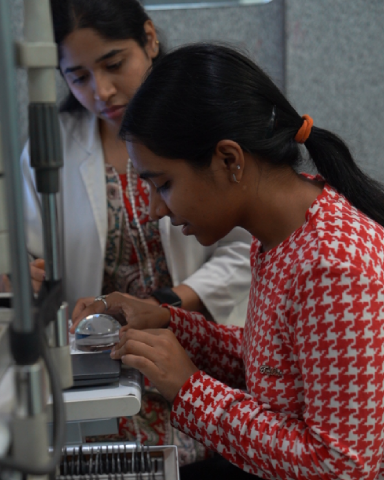
Conditions That Can Improve With Vision Therapy

Common Conditions Treated with Vision Therapy

Amblyopia (Lazy Eye)

Amblyopia occurs when one eye has weaker vision compared to the other. Vision therapy helps strengthen the weaker eye and improves coordination between both eyes.

Strabismus (Eye Turn)

Strabismus is a condition where the eyes are not properly aligned and may turn inward, outward, upward, or downward. Vision therapy can help train the eyes to work together more effectively.

Convergence Insufficiency

Convergence insufficiency occurs when the eyes have difficulty turning inward while focusing on nearby objects such as books or screens.

This condition can lead to symptoms such as:

  • Double vision
  • Headaches
  • Eye strain
  • Difficulty concentrating while reading

Studies show that vision therapy can significantly improve eye coordination in patients with convergence insufficiency.

Eye Tracking and Focusing Problems

Some children struggle with tracking words while reading or shifting focus from near to far objects. Vision therapy can help improve these important visual skills.

Signs Your Child May Need Vision Therapy

Many parents are unaware that vision problems can affect learning and behavior. Some common signs include:
  • Difficulty reading or skipping lines while reading
  • Frequent headaches or eye strain
  • Poor attention during homework
  • Closing one eye while reading
  • Words appearing to move on the page
  • Short attention span during near work
  • Poor hand-eye coordination
If these symptoms are noticed, a detailed vision evaluation may be recommended.

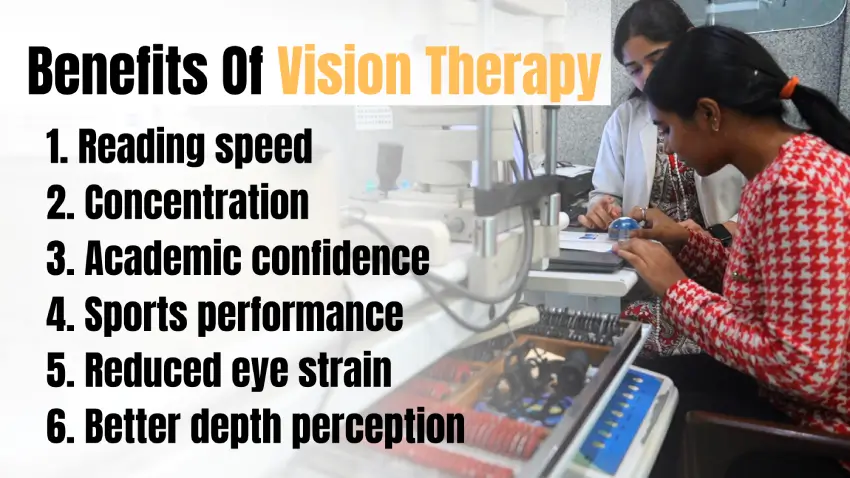
Benefits of Vision Therapy

Benefits of Vision Therapy

Vision therapy offers several advantages for patients with visual skill problems:

  • Improves eye coordination and teamwork
  • Enhances reading and learning ability
  • Reduces eye strain and headaches
  • Improves focusing ability
  • Strengthens depth perception and 3D vision
  • Enhances sports performance and hand-eye coordination

For many children, improved visual skills can also lead to better academic performance and confidence.

Vision Therapy at Myosavers

At Myosavers, vision therapy programs are customized for each patient after a detailed visual assessment. Our approach focuses on strengthening visual skills through modern techniques and specialized therapy programs.

Our vision therapy program may include:

  • Personalized vision training sessions
  • Advanced visual exercises
  • Computer-based therapy programs
  • Home-based practice activities
  • Regular progress monitoring
The goal is to help patients develop strong and stable visual skills that support learning, daily activities, and overall visual comfort.

How Long Does Vision Therapy Take?

The duration of vision therapy varies depending on the patient’s condition and severity of the problem.

Typically:

  • Programs may last 3 to 6 months
  • Sessions may be scheduled once or twice a week
  • Home exercises may also be recommended
Consistent participation and practice play an important role in achieving successful outcomes.

Conclusion

Vision therapy is an effective non-surgical treatment designed to improve visual skills and eye coordination. By strengthening the connection between the eyes and the brain, vision therapy can help children and adults overcome visual challenges that affect reading, learning, and daily activities.

If you or your child experience symptoms such as eye strain, poor reading ability, or difficulty concentrating, a comprehensive vision evaluation can help determine whether vision therapy is the right solution.

Early diagnosis and proper treatment can make a significant difference in visual performance and overall quality of life.

Frequently Asked Questions (FAQs)

Vision therapy is a personalized treatment program that uses eye exercises and visual activities to improve eye coordination, focusing ability, and visual processing.
Children and adults with conditions such as lazy eye, strabismus, convergence insufficiency, or visual skill problems may benefit from vision therapy.
No. Vision therapy can benefit both children and adults, although results may be faster in younger patients.

Most vision therapy programs last between 3 to 6 months, depending on the condition being treated.

Yes. Vision therapy can improve eye tracking, focusing, and coordination, which are essential for reading.
No. Vision therapy involves simple eye exercises and activities and is completely non-invasive.
Yes. Vision therapy is commonly used to improve visual strength and coordination in patients with amblyopia.
Sessions are usually scheduled once or twice a week along with home exercises.
Yes. Adults with binocular vision problems, eye strain, or focusing issues can also benefit from vision therapy.
If your child experiences headaches, difficulty reading, poor concentration, or eye strain, a comprehensive vision assessment can help determine the need for therapy.