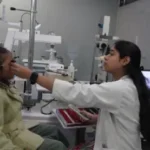
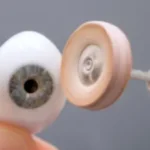
Losing an eye, either because of an injury, a disease, or a congenital defect, can be a life-changing experience, not only physically but also emotionally. Besides impairing vision, it can also affect a person’s confidence level and appearance.
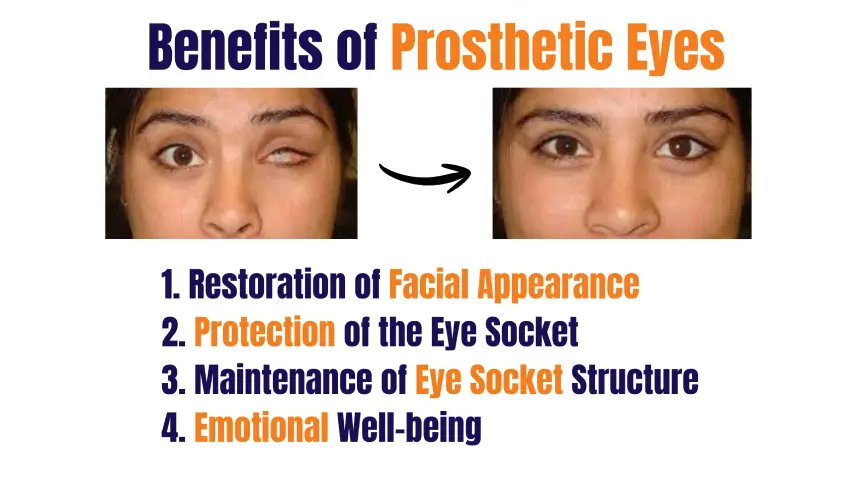
A prosthetic eye, also known as an ocular prosthesis, is used to restore the normal appearance of the eye after it has been removed or damaged significantly. Although a prosthetic eye cannot restore vision, it can help restore facial symmetry, protect the eye socket, and make a person feel confident in everyday life.
A prosthetic eye is a highly customised, carefully designed eye that looks exactly like a normal eye, with respect to size, shape, and colour, to restore a normal appearance.
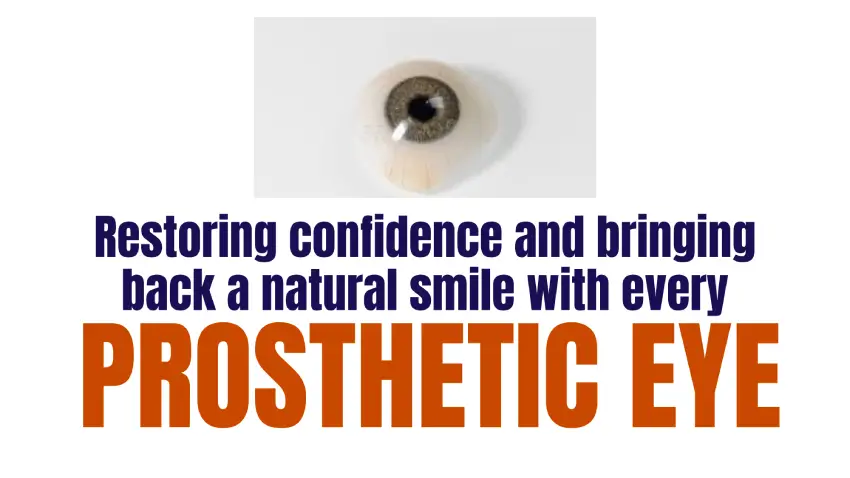
A prosthetic eye is an artificial eye inserted into the eye socket after the original eye has been removed, either naturally or surgically. A prosthetic eye is usually made of medical-grade acrylic material, resembling a normal eye, including the iris, pupil, and blood vessels.
A prosthetic eye cannot restore vision, but it has a significant purpose, i.e., it fills the eye socket, supports the eyelids, and maintains the facial structure.
Getting a prosthetic eye typically involves several stages.
If the eye is severely damaged or diseased, it may need to be surgically removed. This can be done through procedures such as:
After the eye is removed, a round implant is placed in the eye socket to maintain its shape and support the prosthetic eye.
A temporary device known as a conformer is placed inside the eye socket during the healing period to maintain the proper shape.
Once the eye socket has healed, an ocularist (a specialist who designs prosthetic eyes) takes an impression of the socket. It creates a customised prosthetic eye that matches the natural eye.
The prosthetic eye is then fitted into the socket and adjusted to ensure comfort and a natural appearance.
The care of the prosthetic eye is vital to ensure that it is comfortable to use while maintaining the health of the eye socket.
The care tips to look out for are:
1. Clean the prosthetic eye with mild soap and water
2. Wash your hands before touching the prosthetic eye
3. Lubricating eye drops should be used
4. Polishing should be carried out regularly by an ocularist
5. Change the prosthetic eye every 5 years
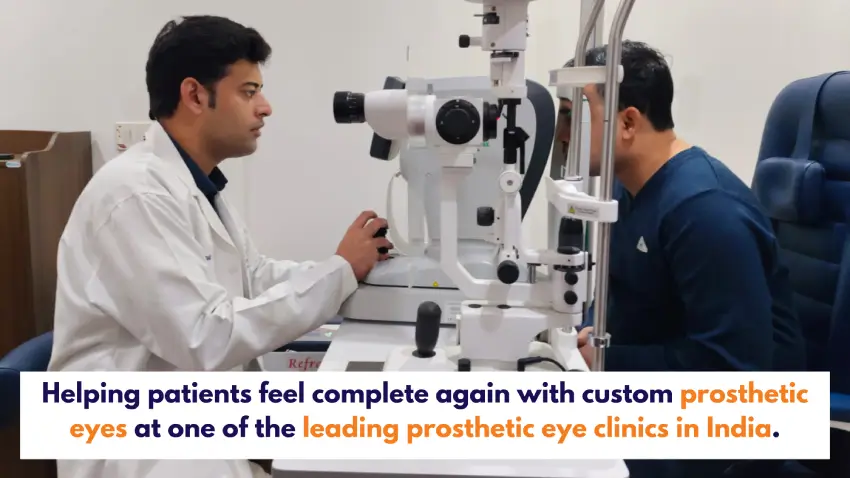
It is observed that an individual takes a few days or a week to adapt to wearing a prosthetic eye. Additionally, the prosthetic eye may also move slightly with the natural eye, thus providing a natural look.
It is, however, essential to note that the prosthetic eye is unable to see or respond to light.
Despite this, prosthetic eyes play a vital role in the lives of individuals, enabling them to live a normal life with confidence.
A prosthetic eye is a vital medical device for individuals who have lost an eye due to injury, disease, or birth defects. Although it does not provide vision, it helps in the maintenance of facial symmetry, protection of the eye socket, and enhances an individual’s confidence and emotional state.
Thanks to medical technology and prosthetic eye design, an individual is able to live with comfort and dignity, as the prosthetic eye is designed to look natural.
Most prosthetic eyes last around 5 years, but this may vary depending on the patient’s condition and care. Regular checkups with an ocularist are recommended to maintain the prosthesis.
A prosthetic eye is custom-made by a specialist called an ocularist. They take an impression of the eye socket and design the artificial eye to match the color, shape, and size of the natural eye.
Most people adjust to wearing a prosthetic eye within a few days to a week, although some may take longer to feel completely comfortable.
Copyright © 2026 | MYOSAVERS | All Rights Reserved.