In recent years, cases of Myopia have increased rapidly, especially among children and teenagers. Long hours of screen time, reduced outdoor play, and excessive near work are some of the major reasons behind this rise.
While treatments like glasses, contact lenses, or LASIK surgery can correct vision, lifestyle changes can play a powerful role in controlling the progression of myopia.
The good news is that simple daily habits can significantly protect your eye health and slow down myopia progression.
Myopia, commonly known as nearsightedness, is a condition where distant objects appear blurry while nearby objects remain clear.
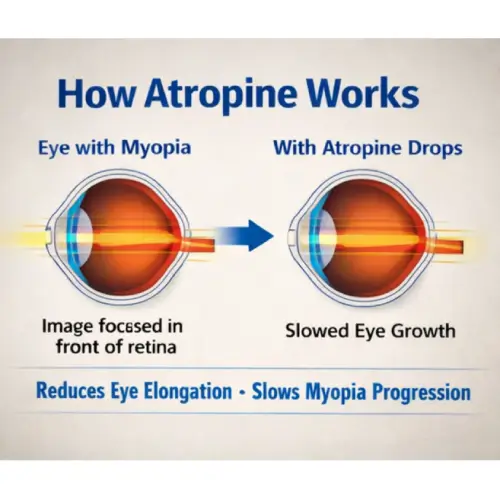
This happens when the eyeball grows longer than normal, causing light to focus in front of the retina instead of directly on it.
If myopia continues to increase over time, it can lead to high myopia, which may increase the risk of serious eye problems later in life.
Modern lifestyles have changed dramatically. Children today spend more time indoors using smartphones, tablets, and computers.
Studies show that environmental factors and daily habits play a major role in the development and progression of myopia.
Adopting healthy visual habits can help:
One of the most effective lifestyle changes for myopia control is increasing outdoor activities.
Research suggests that children who spend at least 2 hours outdoors daily have a lower risk of developing myopia.
Natural sunlight helps regulate eye growth and supports healthy vision development.
Outdoor activities such as:
can significantly benefit eye health.
Excessive use of mobile phones, tablets, and computers is one of the biggest contributors to myopia progression.
When we focus on screens for long periods, our eyes remain in a constant near-focusing position, which may increase the risk of myopia.
Tips to reduce screen-related eye strain:
A simple yet effective habit to protect your eyes is the 20-20-20 rule.
Every 20 minutes, look at something 20 feet away for 20 seconds.
This helps relax the eye muscles and reduces digital eye strain.
It is especially helpful for students and professionals who spend long hours studying or working on screens.
Reading or using devices too close to the eyes can strain the eye muscles and contribute to myopia progression.
Healthy reading habits include:
These small adjustments can make a big difference in long-term eye health.
Regular eye examinations are essential for early detection and management of myopia.
Eye specialists can monitor changes in vision and recommend appropriate treatments if needed.
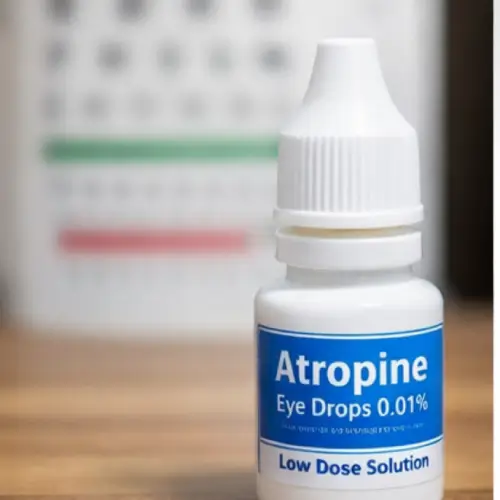
In some cases, doctors may suggest solutions like special contact lenses or **Atropine eye drops to help slow down myopia progression.
Early intervention can help prevent myopia from worsening.
Lifestyle changes alone may not completely stop myopia progression, but they work best when combined with proper eye care and medical guidance.
When healthy habits are followed consistently, they can greatly improve the effectiveness of myopia control treatments.
Encouraging children to develop healthy visual habits from a young age is one of the best ways to protect their eyesight.
Myopia is becoming a common vision problem, but the good news is that simple lifestyle changes can play a major role in controlling its progression.
Spending more time outdoors, limiting screen usage, maintaining proper reading habits, and getting regular eye check-ups can significantly protect eye health.
By making these small yet powerful lifestyle adjustments, you can create a win-win situation for long-term vision care and myopia control.
Yes, healthy habits such as outdoor activities, reduced screen time, and proper reading distance can help slow the progression of myopia.
Experts recommend at least 2 hours of outdoor activity daily, especially for children.
Yes, prolonged screen use and near work are associated with a higher risk of developing or worsening myopia.
Lifestyle changes cannot cure myopia, but they can help slow its progression and protect long-term eye health.
If you experience blurry distance vision, frequent headaches, or increasing glasses power, it is important to consult an eye specialist for a proper eye examination.
Disclaimer: The information provided on this website by MyoSavers is for general informational and educational purposes only and should not be considered medical advice. All content, including descriptions of treatments and procedures, is not intended to substitute professional consultation, diagnosis, or treatment by a qualified eye care specialist.
Each individual’s eye condition is unique, and treatment outcomes may vary from person to person. While we offer evidence-based myopia control solutions, including options such as Ortho-K lenses, we do not guarantee specific results.
Parents and patients are strongly advised to consult with a qualified optometrist or ophthalmologist to determine the most appropriate treatment plan for their specific needs.
Copyright © 2026 | MYOSAVERS | All Rights Reserved.