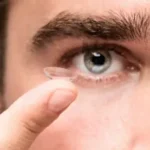
Are you tired of daily adjustments of glasses and the hassles of contact lenses?
Do you want to wake up every morning with clear vision without the need to grab your glasses?
If you answered YES to these questions, then LASIK Surgery is what you are looking for.
LASIK Surgery is a safe and advanced laser surgery that enables individuals to live without the need to wear glasses or contact lenses. Millions of people worldwide have benefited from LASIK Surgery and are enjoying the freedom of living without glasses and contact lenses.
LASIK (Laser-Assisted In Situ Keratomileusis) is a modern eye surgery used to correct common vision problems such as myopia (nearsightedness), hyperopia (farsightedness), and astigmatism.
These vision problems occur when the cornea does not focus light properly on the retina, leading to blurred vision. LASIK surgery reshapes the cornea using advanced laser technology so that light focuses correctly on the retina, resulting in clearer vision.
LASIK is one of the most commonly performed vision correction procedures and is known for its high success rate and quick recovery.
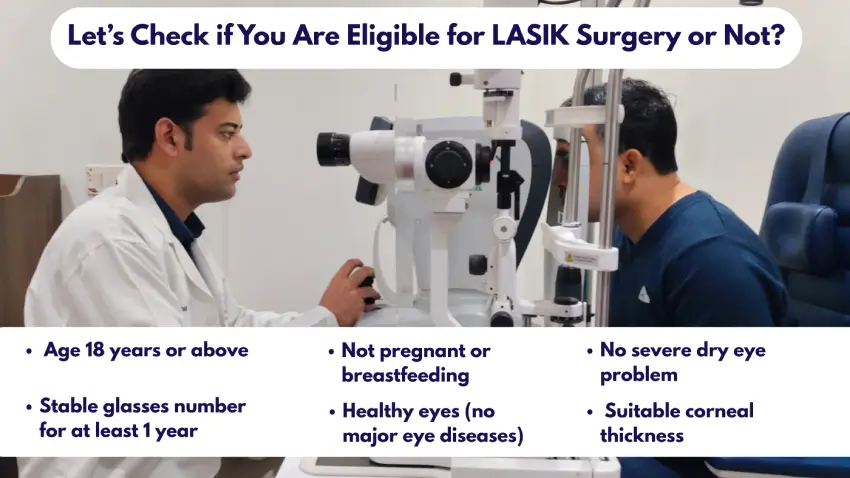
You may be a good candidate for LASIK if you:
Do not have severe dry eyes
A detailed eye examination is necessary to determine whether LASIK surgery is suitable for your eyes.
LASIK surgery offers several benefits for people who want freedom from glasses or contact lenses.
Clear Vision
Most patients achieve excellent vision after the procedure.
Freedom from Glasses
Many patients no longer need glasses or contact lenses for daily activities.
Quick Procedure
The surgery usually takes only 10–15 minutes for both eyes.
Fast Recovery
Many patients notice improved vision within 24 hours.
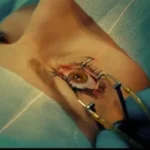
The LASIK procedure is quick and painless.
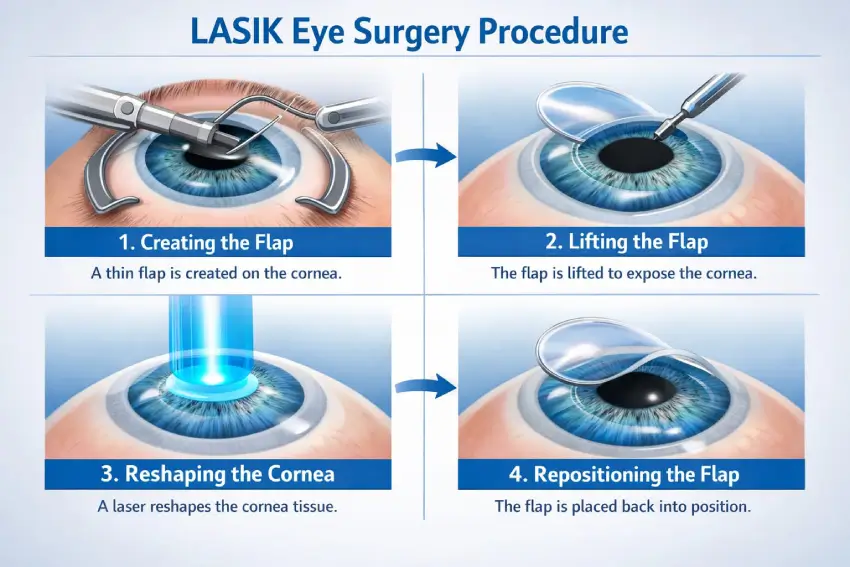
Steps For Flap Based Procedures:
1. Eye numbing with drops and creating a Flap with a blade or Excimer Laser
2. Removing eye power with Excimer Laser
3. Depositing the flap back
Steps For Flapless Procedure:
1. Eye numbing and removing epithelium
2. Removing eye power with Excimer Laser
3. Put BCL (Bandage Contact Lens) for 5 Days
Modern laser vision correction offers several advanced procedures designed to correct refractive errors such as myopia, hyperopia, and astigmatism. The choice of procedure depends on the patient’s eye condition, corneal thickness, and lifestyle.
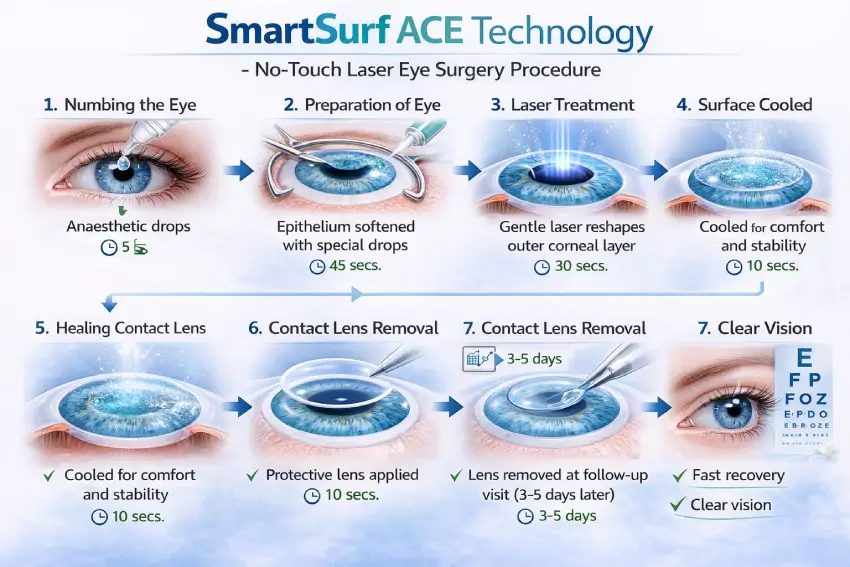
SmartSurf LASIK is a flapless and touch-free laser vision correction procedure. In this technique, the laser reshapes the cornea directly without creating a corneal flap.
The procedure is performed using advanced laser technology, which makes it highly precise and gentle on the eye.
Benefits of SmartSurf
Completely blade-free and touch-free procedure
Suitable for patients with thinner corneas
No corneal flap involved
Reduced risk of flap-related complications
TransPRK (Transepithelial Photorefractive Keratectomy) is another flapless laser vision correction procedure. In this method, the laser removes the outer layer of the cornea (epithelium) and reshapes the cornea in a single step.
Unlike traditional PRK, TransPRK is performed entirely by the laser, making the procedure faster and more precise.
Benefits of TransPRK
No blade or flap required
Suitable for patients with thin corneas
Reduced surgical instruments touching the eye
Safe and effective vision correction
Femto LASIK, also known as bladeless LASIK, uses a femtosecond laser to create a thin corneal flap instead of a mechanical blade.
After the flap is created, an excimer laser reshapes the cornea to correct the refractive error.
Benefits of Femto LASIK
High precision and accuracy
Blade-free flap creation
Faster healing and recovery
Improved safety compared to traditional LASIK
Contoura Vision LASIK is considered one of the most advanced LASIK technologies available today. It uses detailed corneal topography mapping to analyze thousands of unique points on the cornea.
This allows the surgeon to create a highly personalized treatment plan for each patient.
Benefits of Contoura Vision
Customized vision correction
Improved quality of vision
Reduced glare and halos
Better night vision for many patients
SBK LASIK (Sub-Bowman Keratomileusis) is a thin-flap LASIK technique where a microkeratome blade is used to create an ultra-thin corneal flap.
This procedure preserves more corneal tissue compared to traditional LASIK.
Benefits of SBK LASIK
Thinner corneal flap
Faster visual recovery
Suitable for certain patients with moderate corneal thickness
The best type of LASIK surgery depends on several factors such as eye number, corneal thickness, and overall eye health. A comprehensive eye examination by an experienced ophthalmologist is necessary to determine the most suitable procedure.
Before LASIK:
✔ Avoid makeup, perfume, and other lotions on the day of the procedure.
✔ Have light meals prior to the appointment, and arrange a ride home.
✔ No contact wearing for at least 7-10 days prior to the appointment.
After LASIK:
✔ Refrain from using swimming or gym facilities for a minimum of 2 weeks.
✔ Outdoors, use UV protective sunglasses.
✔ Prescribed eye drops should be maintained regularly.
Although LASIK Surgery is one of the most popular procedures for removing glasses or contact lenses, it may not be suitable for everyone. Certain eye conditions or lifestyle factors can make LASIK less safe or less effective.
For example, patients with very high spectacle numbers, thin corneas, unstable power, severe dry eyes, or certain corneal diseases may not be ideal candidates for LASIK. But the good news is that modern ophthalmology offers several advanced alternatives that can still help you achieve clear vision without glasses.
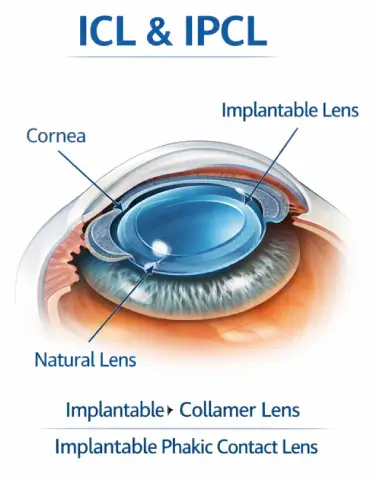
For patients who are not suitable for LASIK due to high power or thin corneas, doctors may recommend phakic intraocular lenses. These lenses are implanted inside the eye while keeping the natural lens intact.
One commonly used option is the Implantable Collamer Lens (ICL). In this procedure, a soft and biocompatible lens is placed between the iris and the natural lens of the eye. It works like a permanent contact lens inside the eye and provides excellent vision correction, especially for people with high myopia.
Another option is the Implantable Phakic Contact Lens (IPCL). Similar to ICL, this lens is implanted inside the eye and can effectively correct high refractive errors. It is often recommended for patients who are not ideal candidates for corneal laser surgeries.
For some individuals, particularly those above the age of 40 or those with extremely high spectacle numbers, a lens replacement procedure may be a better option.
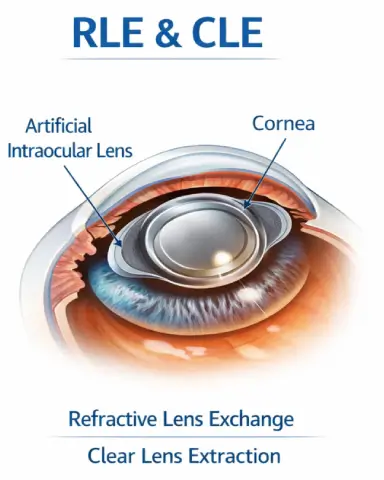
In Refractive Lens Exchange (RLE), the natural lens of the eye is removed and replaced with an artificial intraocular lens. This procedure is similar to cataract surgery but is performed to correct refractive errors before cataracts develop.
A similar procedure is Clear Lens Extraction (CLE), where the clear natural lens is replaced with an advanced intraocular lens to provide clear vision and reduce dependence on glasses.
Every eye is unique, and the best treatment depends on factors such as age, eye number, corneal thickness, and overall eye health. A comprehensive eye examination helps the doctor determine which vision correction procedure will provide the safest and most effective results.
If LASIK is not suitable for you, these advanced alternatives can still help you enjoy clear vision and freedom from glasses.
If you are tired of wearing glasses or contact lenses, LASIK surgery may be the right solution for you.
Consult an experienced eye specialist to find out whether LASIK is suitable for your eyes and take the first step toward clear vision.
📞 Call or WhatsApp us today at 7088899887 to schedule your LASIK evaluation.
The LASIK procedure usually takes 10 to 15 minutes for both eyes. The laser treatment itself lasts only a few seconds.
Most patients notice improved vision within 24 hours after surgery. However, vision may continue to stabilize over the next few weeks.
Yes, the vision correction done during LASIK is permanent. However, natural age-related changes in vision, such as presbyopia, may occur later in life.
Ideal candidates are people who are 18 years or older, have a stable eye prescription, healthy eyes, and adequate corneal thickness.
LASIK has a very high success rate. Most patients achieve 20/20 vision or significantly reduced dependence on glasses or contact lenses.
Some patients may experience temporary side effects such as dry eyes, glare, halos around lights, or mild discomfort, which usually improve during the healing process.
Most patients return to normal daily activities within 1–2 days, although complete healing may take a few weeks.
If LASIK is not suitable, your doctor may recommend alternatives such as Implantable Collamer Lens, Implantable Phakic Contact Lens, or Refractive Lens Exchange depending on your eye condition.
A detailed eye examination and diagnostic tests performed by an experienced ophthalmologist will determine whether LASIK or another vision correction procedure is suitable for your eyes.
Copyright © 2026 | MYOSAVERS | All Rights Reserved.